The technology market thrives on companies taking bold risks and succeeding against seemingly insurmountable odds.
Dell’s acquisition of EMC and subsequent privatization were initially deemed near-impossible feats, yet Dell triumphed. Similarly, HP’s acquisition of the struggling Compaq transformed it into a dominant PC powerhouse.
IBM’s early bet on Watson, long before the rise of generative AI, set a visionary precedent.
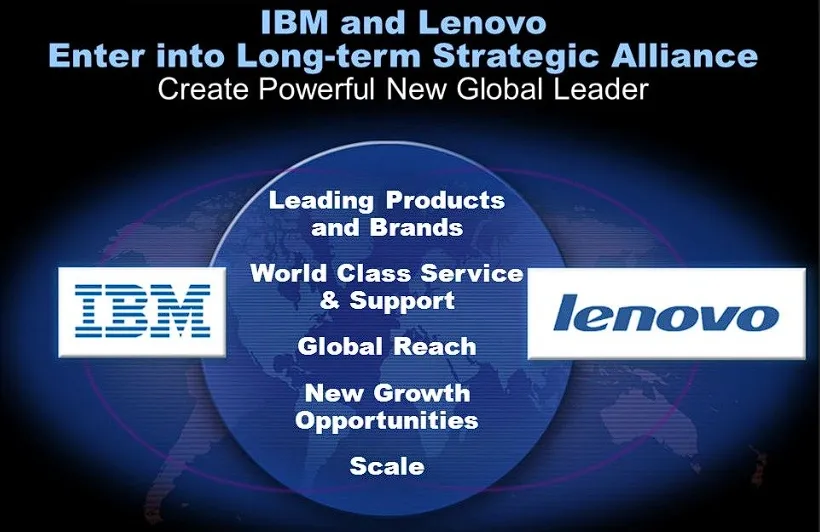
Now, Lenovo has masterfully integrated a modest Asian PC company with faltering IBM units to emerge as a formidable global tech leader, uniquely blending Eastern and Western technological principles into a successful portfolio of products and services.
Lenovo’s Strategic Gamble with AMD Threadripper Pro
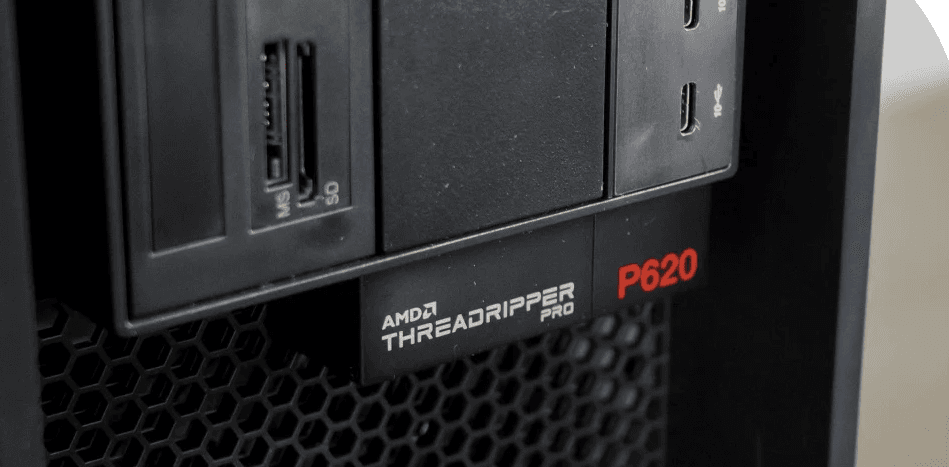
One of the recent standout success stories in the tech industry involves AMD and its Threadripper processor. Originally launched as a consumer product, Threadripper represented a significant risk due to its high development costs.
Though its performance on paper was unmatched, its primary market—professional workstations—typically catered to professionals rather than everyday consumers, making the transition to a professional workstation a daring move.
Lenovo, however, recognized the appetite for performance among engineers. While its larger competitors hesitated, Lenovo seized the opportunity to introduce Threadripper workstations, quickly claiming leadership in the high-end segment.
Following this success, the Threadripper Pro was launched, prompting Lenovo’s peers to follow its lead and leaving Intel trailing behind AMD in this high-profile category. This collaboration underscores the impressive work by both Lenovo and AMD.

Embracing Risk and Capturing Market Share
This week, we explore how Lenovo’s willingness to take risks has enabled it to capture significant market share. We’ll also discuss an intriguing head-mounted display from Rokid that I’ve been testing, which could revolutionize mobile PC or smartphone experiences.
The Role of Risk Tolerance
Having worked with both thriving and struggling companies, I’ve observed that the successful ones are characterized by their tolerance for failure and their readiness to take calculated risks that others might deem unreasonable.
I recall a meeting with Ford’s then-CEO, where analysts focused on the automotive sector. I warned that failing to embrace the innovative strides of Tesla could result in job loss—a prediction that, unfortunately, came true.
This anecdote underscores the importance of genuine risk-taking. Unlike Ford’s cautious approach, Tesla’s willingness to take bold risks has contributed significantly to its soaring valuation.
The Magic of Lenovo
Lenovo’s transformation over the past two decades from a relatively unknown small PC company in the West to a formidable competitor in almost every segment it enters is nothing short of remarkable.
The story of AMD’s Threadripper is just one among many where Lenovo took bold, seemingly irrational risks.
Lenovo also acquired the IBM Think brand, succeeding where IBM couldn’t because Lenovo embraced risks that IBM avoided. This strategy is evident in its approach to Threadripper.
In the server market, Lenovo took over IBM’s underperforming x86 server unit and turned it into a success, despite the challenges posed by resource allocation within IBM. Lenovo’s ability to recognize and harness the potential of overlooked technologies has been a key factor in its success.
Turning Risks into Leadership Opportunities
While Lenovo doesn’t yet lead the server market as it does in PCs, it’s making significant strides. Its acquisition of Motorola, a unit Google had essentially dismantled, was seen as a high-risk move.
Yet, Lenovo revitalized the brand, positioning it as a viable challenger to Apple with competitive pricing.
These feats—transforming the IBM PC business, revitalizing the x86 server unit, and turning around Motorola—each seemed nearly impossible, yet Lenovo achieved them all.
The Path to Becoming a Global Powerhouse
Despite its impressive track record, Lenovo, like many tech companies, underinvests in marketing. Companies like AMD, which often outperform their competitors technologically, struggle with market perception due to insufficient marketing efforts.
Lenovo could benefit greatly by adopting a marketing-centric approach similar to Lou Gerstner’s strategy at IBM. Gerstner, a marketing genius from Nabisco, understood that perception often trumps reality. His marketing prowess helped IBM recover from a dire situation, much like Steve Jobs did for Apple.
While Lenovo excels in product development and risk-taking, integrating powerful marketing strategies could elevate it to unparalleled heights in the tech industry. Historically, the most successful tech companies have combined strong marketing with outstanding products, a balance Lenovo is poised to achieve.
Close Note
Lenovo’s remarkable execution, coupled with its willingness to take significant risks, sets it apart as a market leader. However, by adopting a more aggressive marketing strategy, Lenovo could harness the perfect storm of exceptional products and powerful marketing, creating an unstoppable force in the tech industry.
While past examples like the initial iPhone and IBM’s recovery showcased the impact of strong marketing on weaker products, Lenovo has the opportunity to align perception with its impressive reality, potentially reshaping the market landscape.